How can schools reduce food waste?

Food waste is a familiar challenge for schools but understanding what children leave uneaten, and why, is an important first step towards reducing it.
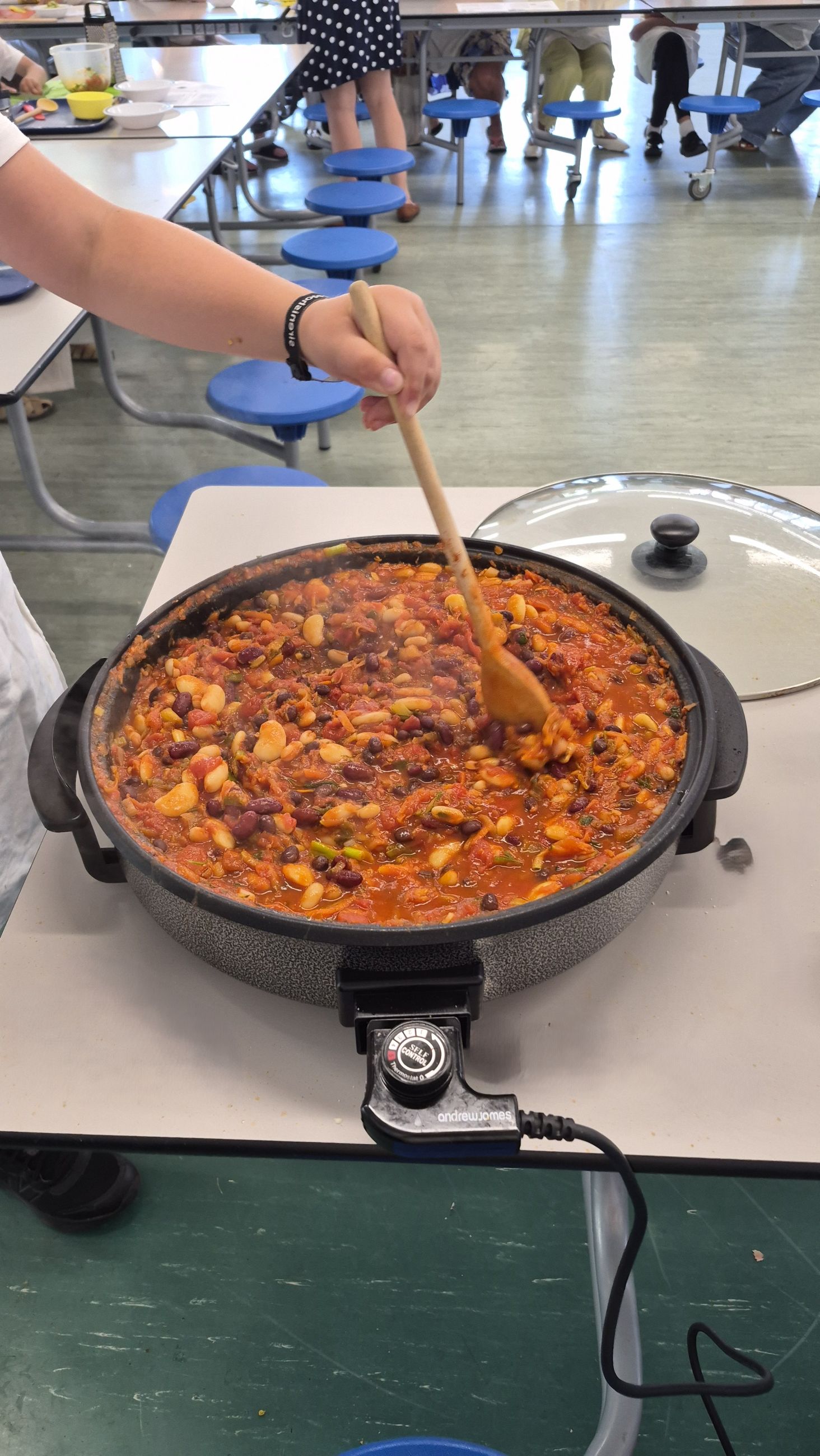
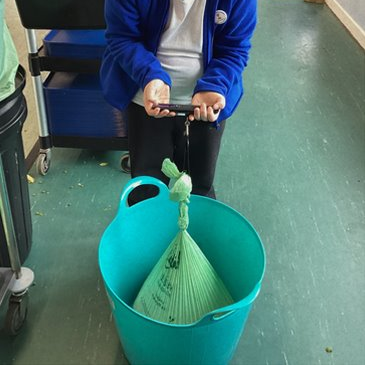
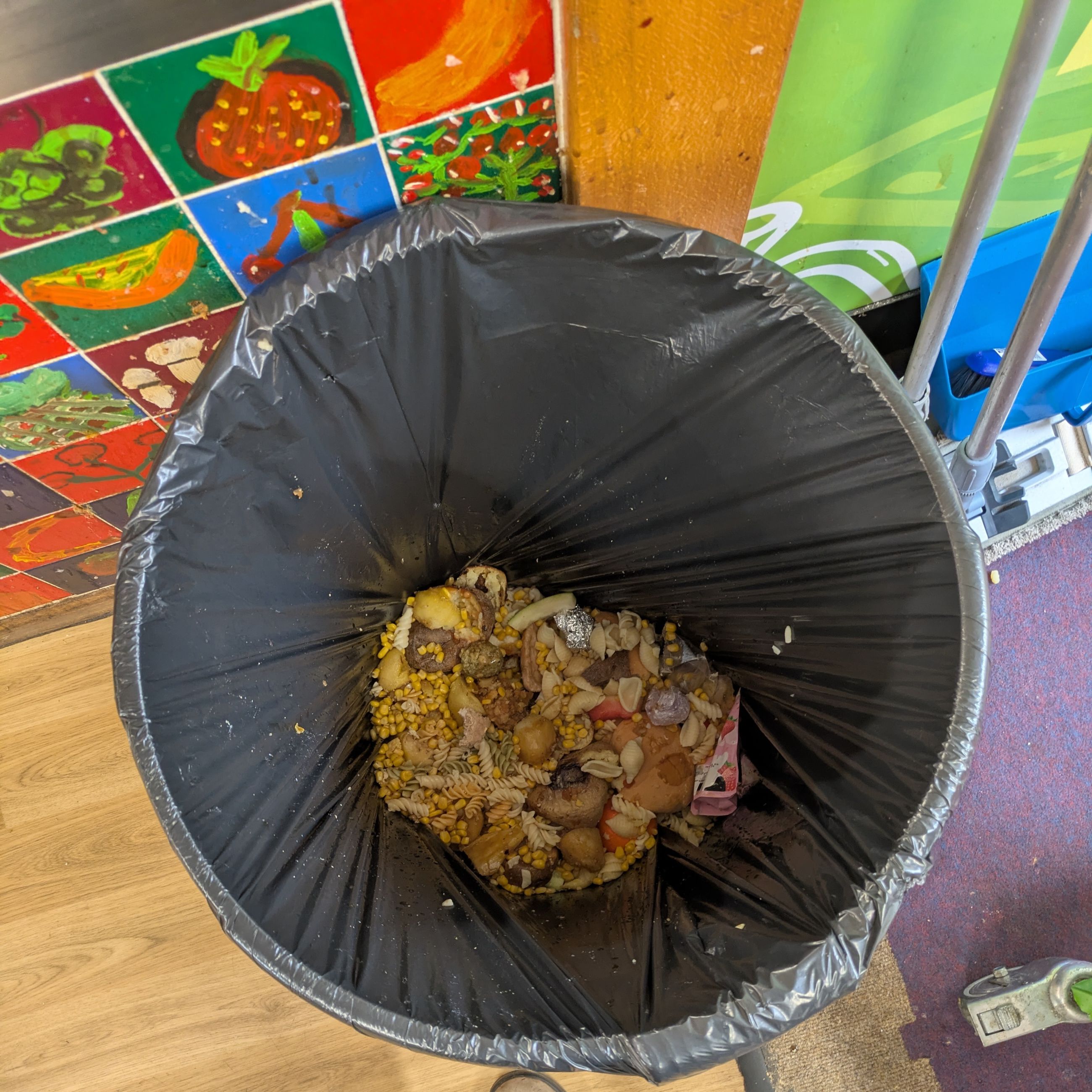
In March 2026, Dorothy Barley Junior Academy took part in the Addressing Plate Waste pilot. Over three weeks, the audit recorded 275.5kg of edible food left on children’s plates, equivalent to an estimated 1,020 meals. Eight children, known as Food Waste Warriors, helped weigh the waste and gather feedback from their classmates, turning food waste from an abstract issue into something children could see and influence themselves. Parents and children were then brought together to mark the end of the project with a low-waste cookery session at the school run by School Food Matters.
We spoke to headteacher Cathy Leicester about the school’s experience and what other schools can learn from the project.
What made you want to get involved in the project?
We’ve always had a real focus on sustainability as a school. We have a climate action plan and sustainability targets and we’ve done lots of work around growing, recycling and food waste bins. But we hadn’t really looked specifically at how we could reduce the amount of food being wasted.
Food waste has always been a bit of a personal passion of mine, both at home and at school. I wanted us to look at it across the whole school, educate the children and reduce waste, as well as get those messages out to parents.
Until the children are involved in doing something and seeing it for themselves, I think it’s hard for them to understand what it all means when they hear about tonnes of food being wasted.
What did the audit help you understand?
It gave us a much clearer picture of what was happening and a way forward. We could look at which foods children were wasting and have conversations with the catering team about whether there were alternatives we could consider.
The children involved in the project also gave feedback about which foods were less popular. Obviously, there are school food standards we have to work within but it was useful to have that feedback and think about what we could do differently.
What I liked was that it involved the school council, learning council, midday supervisors, catering team and kitchen staff. It became a proper whole-school focus, rather than just something that was forced upon them or another whim of mine!
What are the challenges of reducing food waste in schools?
You have to get everyone on board and give it the time it needs. For us, the project was really well organised and our role was to engage with it and commit the time and staff.
I think it could be replicated in other schools with guidance and support, particularly for catering companies [discover the Food Waste Audit Toolkit below to help with this]. It’s important to work together because you need the people preparing and serving the food to be part of the conversation about what’s being wasted and why.
What role can food education play in reducing food waste?
I think it’s essential. We teach food and nutrition as part of design and technology and science but being more mindful about food waste, and learning how to reuse and repurpose food, is a really important part of the curriculum.
I think food education also helps children become more familiar with different foods. We’ve done sensory food sessions, particularly with children in our special educational needs and disabilities (SEND) unit, helping children and parents explore foods they might not otherwise try.
We’ve also done growing activities through Dagenham Farm which have broadened children’s understanding of where food comes from and what’s available, as well as the low-waste cookery session run by School Food Matters. It’s about giving children the opportunity to explore foods they might not otherwise come into contact with.
What advice would you give to other schools wanting to tackle food waste?
Just do it! Start small and just get started. Think about how you’re disposing of your food waste initially, then get the children involved because they’re the ones who drive these things.
There are lots of sustainability issues that can feel beyond our control. This is something where children can make a small difference that has a meaningful impact at school level and then they can take those messages home.
Six ways your school can reduce food waste
The Addressing Plate Waste report highlights several factors that can influence how much food children leave uneaten, including the choices available, how familiar they are with the food, and the time and environment they have for eating. These practical steps can help schools start exploring what works for them.
Listen to children
Ask children what they enjoy, what they find unfamiliar and what they tend to leave uneaten. Use surveys, focus groups or pupil representatives to gather feedback and involve children in finding solutions.
Review menus and portion sizes
Look at which meals and ingredients are most frequently wasted. Clear menu descriptions and pictures can help children know what to expect. Consider offering smaller initial portions, with the option to have more.
Help children get to know unfamiliar foods
Tasting opportunities, cooking and growing activities can help children become more familiar with different foods. Repeated exposure in a positive, pressure-free environment can encourage children to try something new.
Make sure children have enough time to eat
Review lunchtime routines and activities to check that children have enough uninterrupted time to enjoy their meal. A calm, positive dining environment can also help make lunchtime a better experience.
Work closely with your catering team
Share feedback from children and staff with the people preparing and serving meals. Regular conversations can help identify patterns in food waste and explore changes to menus, preparation and service.
Make food waste a whole school priority
Involve children, teachers, lunchtime staff, catering teams and senior leaders. Monitor food waste over time to understand whether changes are making a difference and celebrate progress along the way.
The Dorothy Barley audit was a three-week pilot so its findings offer a snapshot rather than definitive conclusions about food waste at the school. The report recommends longer-term monitoring, consistent data collection and collaboration between schools and catering teams to build a fuller picture of what is being wasted and why.
Find out more
Read the full Addressing Plate Waste in School Settings report to explore the findings and recommendations. The London Borough of Barking and Dagenham has also created a Food Waste Audit Toolkit. Schools can use these resources to consider how they might begin measuring and reducing food waste in their own settings.
Explore our food waste resources for schools, including advice on measuring and monitoring food waste and connecting food waste to the curriculum, alongside guides to composting and making a wormery.
Acknowledgements
The London Borough of Barking and Dagenham Food Education Network coordinated the Addressing Plate Waste project in partnership with BDGroup and Dorothy Barley Junior Academy. The ESKE Project delivered the audit, supported the school and produced the report and resources. The East London Waste Authority funded cooking sessions delivered by School Food Matters.